About shega
Team
Careers at Shega
Contact
SEM
Jobs
Opportunties
Games
Tools
What the IMF Fifth Review Actually Says About Ethiopia's Reform Trajectory
20 July 2026
Liberalization of Ethiopia’s Banking Sector: Foreign Entry, Competition, and Digital Finance
17 July 2026
Ethiopia's Electric Leap and the Road It Hasn't Built
16 July 2026
14 July 2026
Addis Moves to Stabilize Construction Inputs with New Mineral Licensing
13 July 2026
Punctual, Not Audacious
Too Big to Regulate? CBE Says It Accounts for 70% of Digital Transactions
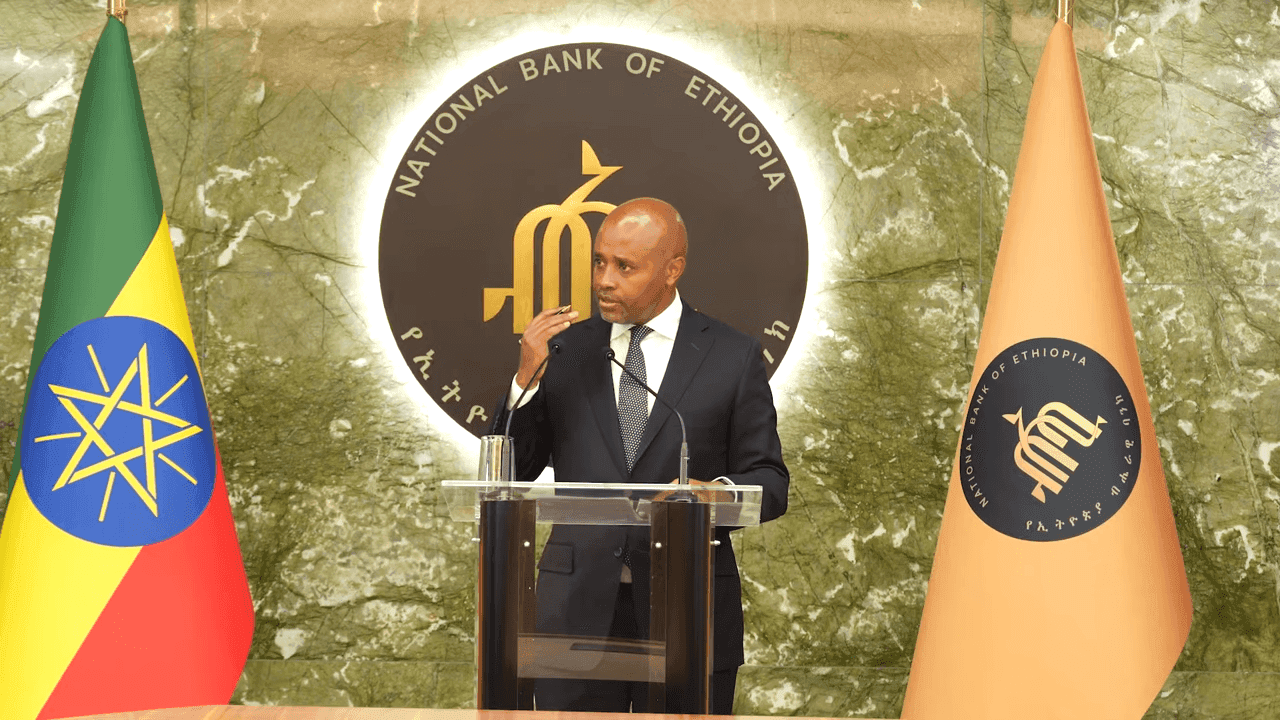
CBE reports processing 22.24 trillion Br in digital transactions and holding a 70% market share. Combined with Telebirr, two state-linked entities could now account for close to 80% of transaction value.
By Aksah Italo
Ethiopia's Eurobond Restructuring is a Second Act, Not a Finale
Ethiopia's Eurobond restructuring agreement in principle closes one chapter of a five-year debt saga. The structural questions it leaves open are more consequential than the headline haircut suggests.
By Munir Shemsu
Ethiopia's Small-Scale Oil Producers Are Coming Back. But the Rules That Once Squeezed Them Out Haven't Left.
Ethiopians are pressing their own noug oil again, powered by cheap machines and a booming TikTok trade. Regulatory standards could shut them down again.
By Daniel Metaferiya
The press release said "solid progress." The staff report said enterprise risk has risen since the fourth review and all three top-tier external risks are rated high likelihood.
Ethiopia’s banking sector is coming full circle. From foreign-led origins to decades of closure, the 2025 reforms mark a pivotal reopening. What does this mean for competition, capital, and financial inclusion?
By Partner Content
Ethiopia banned petrol car imports in 2024. EVs are now 60%+ of new registrations. But only 22% of households have a metered grid connection, and just 27% will by 2030.
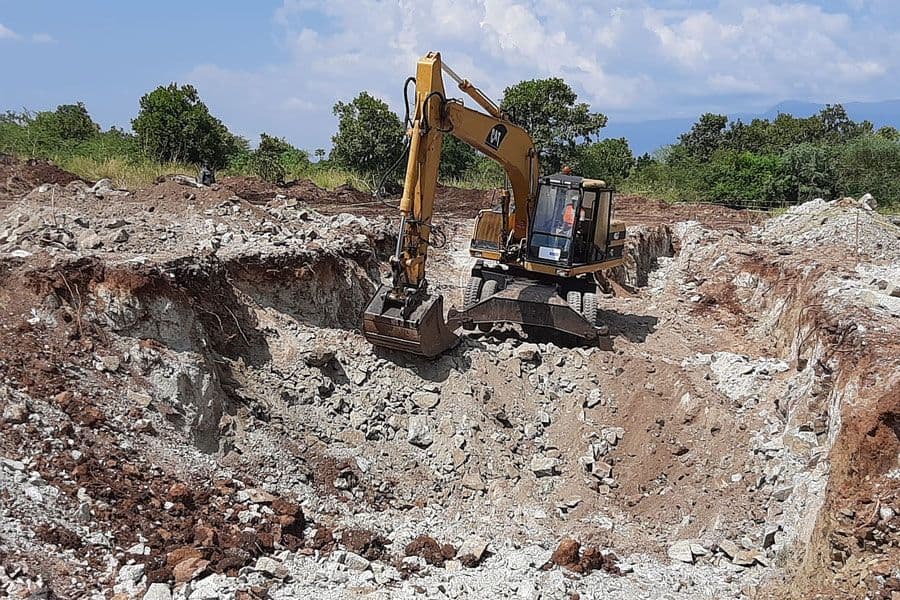
Addis Ababa’s new construction minerals directive introduces tighter licensing, environmental guarantees, and exclusion zones
By Team Shega
The most interesting thing about Ethiopia's credit cap isn't that it's gone. It's that it was measured against total loans. The dominant state bank had the most room to lend underneath it.