About shega
Team
Careers at Shega
Contact
SEM
Jobs
Opportunties
Games
Tools
Laying the Groundwork for Neobanking, Inside Bank of Abyssinia’s Apollo Journey
26 December 2025
BeU Delivery Drivers Go on Strike Over Pay, New Verification System
25 December 2025
Community, Culture, and Digital Finance: Travelling Ethiopia with the AKOFADA Behavioral Change Campaign
24 December 2025
23 December 2025
Hasab AI Launches Multilingual Meeting Note-Taking Tool for Ethiopian Languages
22 December 2025
Inter Ethiopia Solutions Is Turning Lithium-Ion Battery Waste Into Affordable Energy
Designed for Whom? The Mirage of Women-Centric Digital Finance in Ethiopia
Closing Ethiopia’s gender gap in digital finance won’t happen with slogans. “Women-centric” DFS too often means minor tweaks to products never designed around women’s real lives.
By Etenat Awol
EthSwitch Marks Major Advance in Instant Payment Systems with EthioPay Launch
Ethiopia has launched EthioPay, a new instant payment system that enables same-day interbank settlement ushering in the capacity to handle several thousand transactions in seconds.
By Daniel Metaferiya
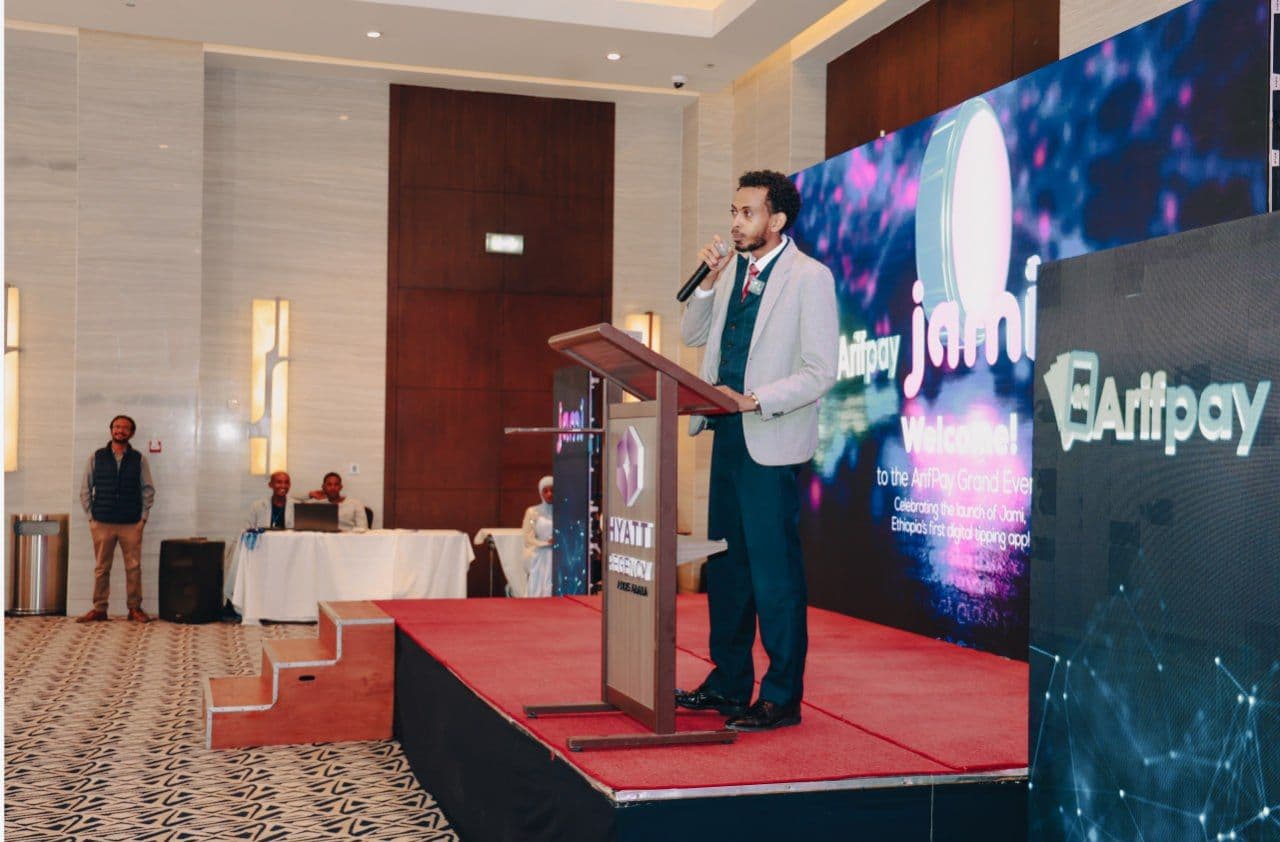
ArifPay Acquires Majority Stake in Ethiopian Tipping Platform Jami in a Multimillion Birr Deal
ArifPay acquires a majority stake in Ethiopia’s first digital tipping platform, Jami, for 16M Birr. Founder Nathan Damtew remains CEO as the platform gears up for growth.
With a daily spending ceiling of 150,000 Birr, the Apollo Card works as both a physical and digital card. Users can adjust limits in real time, lock cards instantly, and require biometrics.
By Partner Content
Drivers also raise concerns about beU’s working environment. They allege that the startup consistently prioritizes customers over delivery workers.
By Kaleab Girma
A firsthand journey through Ethiopia exploring how community radio, culture, and storytelling can drive behavioral change and accelerate the adoption of digital finance in rural markets.
Hasab AI is positioning the product primarily for enterprises, startups, and government organizations that rely heavily on meetings, while also making it available to small teams.
Most lithium-ion batteries lose significant capacity after about five years of use. But losing capacity does not mean they stop working.
By Ana Mulatu